The Intricate World of Mahjong: A Journey through Time and Strategy
Introduction to Mahjong
Mahjong, a game deeply rooted in Asian culture, especially in China, is not just a game but a cultural phenomenon. Traditionally played by four players, Mahjong has captivated the hearts of millions around the globe with its engaging gameplay and intricate strategies. For those acquainted with the classic tile-based game, its appeal lies in the combination of luck, skill, and strategy.
The Origins of Mahjong
The history of Mahjong is shrouded in mystery and mythology. Various legends suggest its origins, from being invented by Confucius around 500 BC to being created by bored merchants searching for entertainment during long trading expeditions. However, historical evidence points towards its creation in China during the Qing dynasty, circa the mid-19th century. It evolved from earlier card games and was eventually consolidated into the tile-based version we know today. During the early 20th century, Mahjong crossed borders and oceans, gaining popularity in Japan, America, and beyond.
The Gameplay of Mahjong
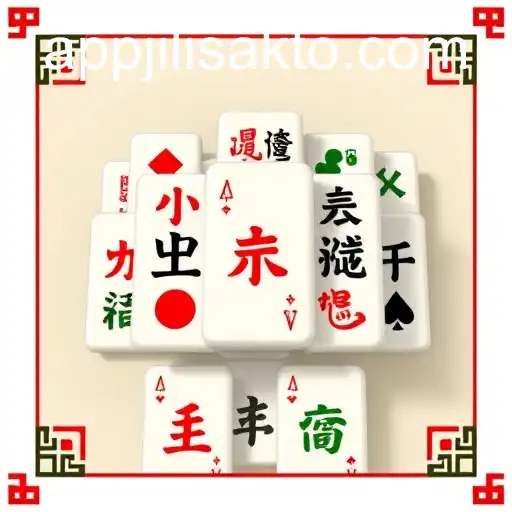
While regional variations exist, the basic rules of Mahjong remain the same. The game is played with a set of 144 tiles based on Chinese characters and symbols, including suits called Bamboo, Characters, and Dots, along with special Honor and Bonus tiles. Players draw and discard tiles with the aim of forming complete sets: Pungs, Kongs, and Chows, culminating in a legal hand of 14 tiles.
The Tiles and Terminologies
Mahjong's appeal is partly due to its rich terminology and intricate tile designs. The suits include Circle, Character, and Bamboo, complemented by Honor tiles like Winds and Dragons. Each tile has a significance, and understanding them is crucial for strategic play.
Strategic Depth and Skills
Despite its reliance on the random draw of tiles, Mahjong is a game that demands high levels of skill and strategic foresight. Successful players must balance patience with aggressiveness, reading the board, and predicting opponents' moves. Advanced strategies include managing and tracking the drawn and discarded tiles to anticipate opponents’ hands.
Regional Variations
Mahjong boasts numerous regional variations, each with its own unique rules and styles of play. Hong Kong Mahjong and Taiwanese Mahjong emphasize different scoring systems, while Riichi Mahjong, popular in Japan, introduces additional layers with its set of specific rules and scoring bonuses.
Mahjong in Modern Culture
Over the years, Mahjong has become an essential part of cultural events and social gatherings, especially within Chinese communities. It's not just a game; it's a way to build relationships, share stories, and preserve cultural heritage. Online platforms like JILISakto.COM have broadened its reach, allowing enthusiasts to connect and compete globally.
Mahjong in Technology and Online Platforms
The digital age led to the proliferation of online Mahjong games, making it accessible to a new generation of players. Websites such as JILISakto.COM provide platforms for competitive matches, offering tournaments, and ranking systems that attract players worldwide. This shift to online platforms has kept Mahjong relevant and preserved its competitive spirit.
Mahjong Tournaments and Competitions
Mahjong has transcended from local gatherings to international competitions, with tournaments held worldwide. These events draw players from diverse backgrounds, showcasing the game's global appeal and strategic depth. Online platforms have also facilitated live events, allowing players to compete without geographical limitations.
Conclusion
As a game of skill, strategy, and chance, Mahjong’s global presence in both traditional and digital formats ensures its place in the cultural lexicon for years to come. Whether played around a table with friends or on a platform like JILISakto.COM, Mahjong continues to bridge cultures and generations.